

Fall Eye Allergies: Causes, Symptoms, and Relief
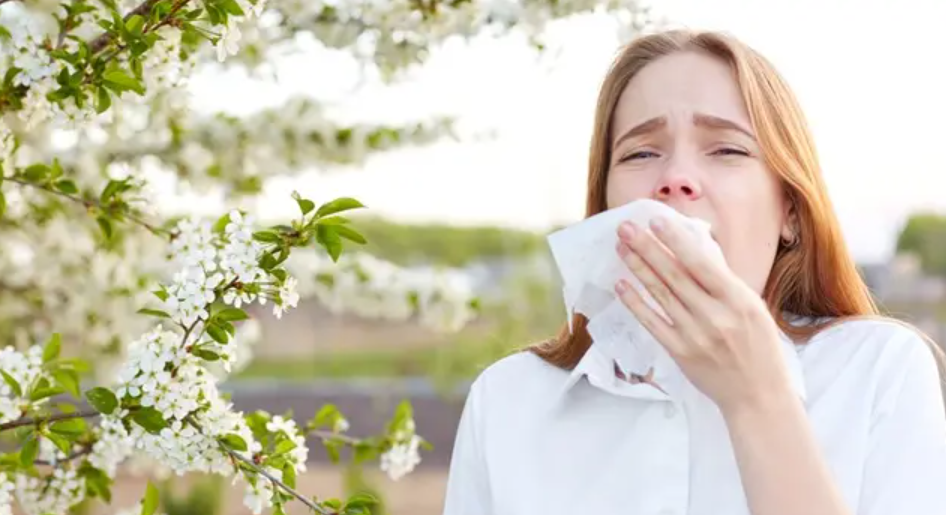
It starts around September — a dry breeze, a few falling leaves, and suddenly your eyes are itching and burning. If you're like many people in Mascoutah, you know this feeling all too well. Every autumn brings a wave of seasonal eye allergies that can make daily life uncomfortable.
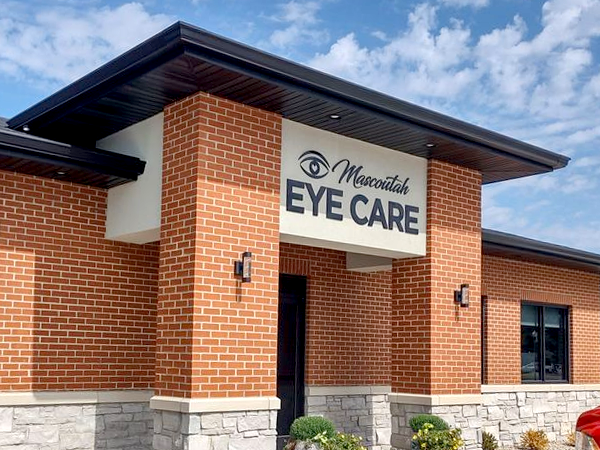
At Mascoutah Eye Care, our eye doctors understand the unique challenges that come with fall eye allergies. That’s why we offer comprehensive eye care, including dry eye treatments, in-office procedures like IPL, and personalized evaluations that get to the source of your discomfort.
What Causes Eye Allergies in Fall?
Most people associate allergy season with spring, but fall has its own set of triggers that are just as harsh on the eyes. Common fall allergens that affect the eyes include:
Ragweed pollen: Just one plant can produce a billion grains of pollen, and it travels for miles.
Mold spores: Decaying leaves and damp soil create the perfect environment for mold to thrive.
Dust mites: As we turn on the heat, dust circulates more frequently indoors.
Pet dander: More time inside means more exposure to furry friends and the allergens they shed.
Smoke from bonfires or harvest burning: While cozy, it can irritate sensitive eyes.
These allergens trigger the immune system to release histamines, which inflame the eyes and lead to symptoms like redness, itching, and tearing. And if you're already dealing with dry eyes or blepharitis — common conditions here in Mascoutah — those symptoms tend to get worse in the fall.
Symptoms of Eye Allergies During Fall
Not all eye irritation is the same. When it comes to fall allergies, the signs can start subtly and then escalate if left untreated. If you’re unsure whether you're dealing with fall eye allergies or something more serious, pay attention to the following symptoms:
1. Itchy Eyes
Itchiness is often the first sign. The urge to rub your eyes might feel irresistible, but doing so can actually make the irritation worse and introduce bacteria.
2. Redness
When allergens inflame the blood vessels in the eyes, they often appear bloodshot or pink. This is especially common after time outdoors or in dusty indoor environments.
3. Watery Eyes
Ironically, dry air and allergens can cause the eyes to overcompensate by producing too many tears. This tearing doesn’t bring relief — it often makes vision blurry and increases discomfort.
4. Burning Sensation
Patients often describe the feeling as if their eyes are stinging. This burning is typically due to inflammation and can last for hours, especially in dry or windy weather.
5. Gritty or Sandy Feeling
If it feels like there’s something stuck in your eye but nothing’s there, that sensation is often linked to allergic conjunctivitis or dry eye flare-ups.
6. Light Sensitivity
Bright lights may suddenly become overwhelming. This photosensitivity can be particularly frustrating for drivers and screen users, both of which are common among our Mascoutah patients.
How to Treat Bad Eye Allergies During Fall
Treating eye allergies starts with getting the proper diagnosis. Here’s what we may recommend at Mascoutah Eye Care:
Comprehensive Eye Exam: Identify whether your symptoms stem from allergies, dry eye, blepharitis, or a combination.
IPL Therapy: Intense Pulsed Light treatments clear blocked meibomian glands and reduce inflammation for long-term relief.
Dry Eye Management: We treat poor tear quality and evaporative dry eye, which often worsens eye allergy symptoms.
Short-Term Medications: Prescription eye drops or antihistamines may be used for flare-ups or severe symptoms.
At-Home Adjustments:
Use a humidifier to counter dry air indoors.
Wear sunglasses outside to reduce pollen exposure.
Rinse your face after spending time outdoors.
Keep windows closed during high-pollen count days.
Take Back Your Fall with Expert Eye Allergy Care in Mascoutah, IL
Seasonal allergies shouldn’t keep you from enjoying crisp fall mornings, bonfires, or time with family. Whether your symptoms are new or ongoing, we’re ready to help. Book your next eye exam at Mascoutah Eye Care and take the first step toward clearer, more comfortable vision.
Fall Eye Allergy FAQs
Can fall allergies make contact lenses uncomfortable?
Yes. Allergens like pollen and dust can build up on contact lenses, causing increased irritation, dryness, and blurry vision. Switching to daily disposables or using rewetting drops may help during allergy season.
Why do my eyes water so much if they’re dry?
When your eyes are too dry, they may produce excess tears as a reflex response — but those tears lack the oil needed to stay on the surface. This leads to watery, yet still irritated eyes.
How do I know if it’s allergies or an eye infection?
Allergy-related symptoms usually affect both eyes and include itching, redness, and tearing. Infections often come with discharge, swelling, or pain — and may affect one eye more than the other. If you're unsure, it’s safest to schedule an eye exam.
MAP

CONTACT INFORMATION
HOURS OF OPERATION
Monday 8:00am - 5:00pm
Tuesday 8:00am - 5:00pm
Wednesday 8:00am - 5:00pm
Thursday 8:00am - 5:00pm
Friday 8:00am - 5:00pm
Saturday Closed
Sunday Closed
Powered by: 