

Reclaiming Independence: Exploring Specialized Low Vision Devices
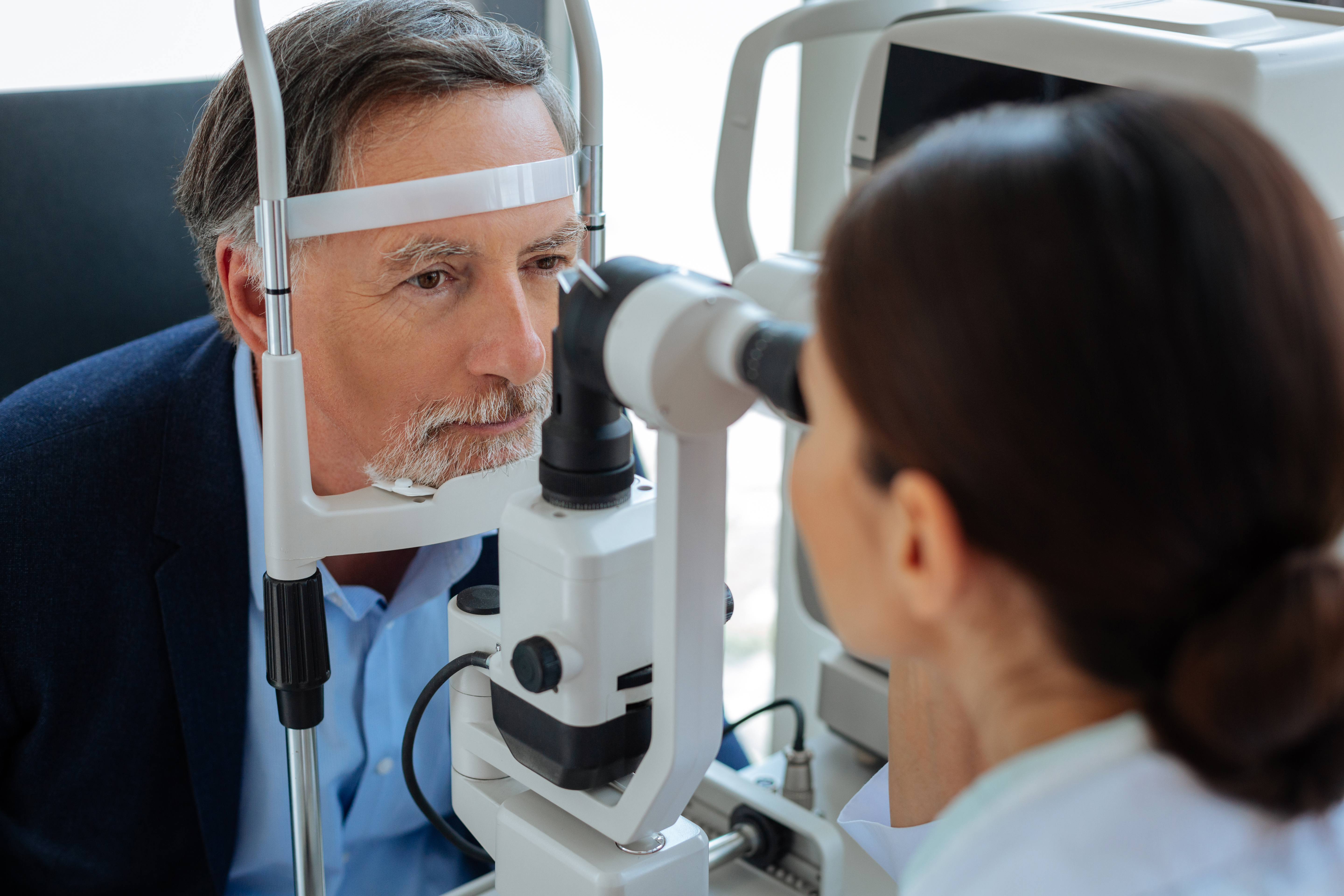
Vision loss can make everyday routines feel harder than they used to. Reading mail, watching TV, recognizing faces, using a phone, or moving around safely can become frustrating when standard glasses are no longer enough. For many people, specialized low vision devices can help make daily life more manageable.
Low vision does not always mean a person has lost all sight. It means vision cannot be fully corrected with regular glasses, contact lenses, medication, or surgery. With a low vision evaluation, patients can explore tools designed to maximize the vision they still have.
What Are Low Vision Devices?
Low vision devices are specialized tools that help improve function for people with reduced vision. These devices do not cure eye disease or restore normal sight, but they can make certain tasks easier by improving magnification, contrast, clarity, or field of view.
The best option depends on the patient’s vision level, diagnosis, daily challenges, and personal goals. Someone who wants to read comfortably may need a different solution than someone who wants help watching TV or seeing signs from a distance.
When Standard Glasses Are Not Enough
Many people with low vision have been told there is nothing more that can be done. While the underlying condition may not be reversible, that does not mean patients have to give up the activities they enjoy.
A low vision evaluation focuses on how vision is affecting daily life. Instead of only checking eye health and prescription needs, this type of visit looks at practical solutions for specific goals. The provider may ask about reading, driving, hobbies, work, mobility, lighting, and other everyday concerns.
Types Of Specialized Low Vision Devices
There are many types of low vision aids available. Some are worn like glasses, while others are handheld, electronic, or designed for specific tasks.
Common options may include:
• Telescopic glasses for seeing details at a distance
• Reading glasses with stronger magnification for near tasks
• Electronic magnifiers with adjustable size and contrast
• Lens tints to reduce glare and improve comfort
• Side vision awareness glasses for reduced peripheral vision
• Portable magnifiers for menus, labels, and mail
How Low Vision Devices Support Independence
The goal of low vision care is to help patients keep doing the things that matter to them. For some, that means reading a favorite book again. For others, it may mean watching a grandchild’s performance, managing medication labels, cooking more confidently, or moving through familiar spaces with greater ease.
Specialized low vision devices can also help reduce dependence on others for simple daily tasks. Even small improvements in function can make a major difference in confidence, safety, and quality of life.
Find The Right Low Vision Device For You
Low vision can be caused by conditions such as macular degeneration, glaucoma, diabetic retinopathy, retinitis pigmentosa, strokes, and other eye or neurological conditions. Because each patient’s vision loss is different, personalized care is essential.
A customized approach helps match the right device to the right activity. A low vision evaluation provides guidance based on how the patient actually sees and what they want to accomplish.
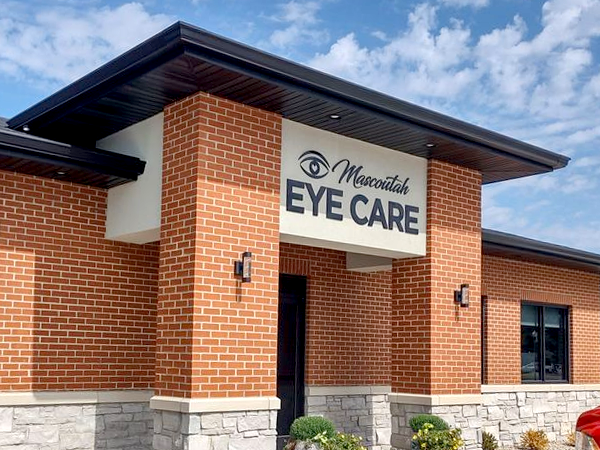
Schedule a low vision evaluation with Mascoutah Eye Care to find the right low vision device for your needs. Contact our office in Mascoutah, IL by calling (618) 566-8899 to book an appointment today.
MAP

CONTACT INFORMATION
HOURS OF OPERATION
Monday 8:00am - 5:00pm
Tuesday 8:00am - 5:00pm
Wednesday 8:00am - 5:00pm
Thursday 8:00am - 5:00pm
Friday 8:00am - 5:00pm
Saturday Closed
Sunday Closed
Powered by: 