

Whiplash and Brain Fog: Understanding Post-Injury Pain
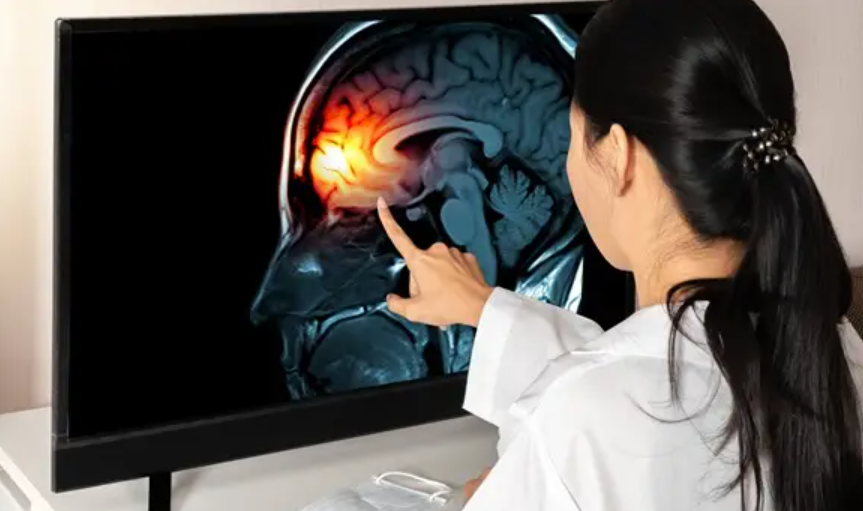
Your head sits on top of a delicate stack of vertebrae, like a bowling ball balanced on a spring. When you have a car accident or get hurt while playing sports, your balance can be upset. This can lead to whiplash.
Whiplash often causes more than just a sore neck. Many people experience persistent headaches, difficulty concentrating, or even “brain fog” in the days and weeks after the injury.
At Mascoutah Eye Care, we understand that these symptoms can stem from more than just muscle strain. In many cases, the visual system is affected too. Our therapy programs for binocular vision dysfunction (BVD) aim to target and correct the root cause of these issues.
The Overlooked Aftermath of Whiplash
Neck pain might be the most immediate symptom of whiplash, but it’s rarely the only one. Patients frequently report:
- Headaches — Often beginning at the base of the skull and moving forward
- Dizziness — Including vertigo or general imbalance
- Cognitive challenges — Like trouble focusing or mental fatigue
- Visual issues — Such as light sensitivity, blurry vision, or poor focus
These symptoms can linger long after the initial injury, disrupting work, relationships, and overall quality of life.
Why Vision Problems Happen After a Neck Injury
The neck is home to critical nerves and blood vessels that help the brain communicate with the rest of your body—including your eyes. When those pathways get disturbed, they can create a breakdown between how your brain processes visual input and how your eyes function.
According to research, up to 60% of individuals with mild traumatic brain injuries (mTBIs) experience post-traumatic headaches. Roughly one-third continue to develop chronic, long-lasting head pain. In many of these cases, vision is part of the problem—and the solution.
How Neuro-Optometry Addresses BVD
At Mascoutah Eye Care, we offer neuro-optometry programs designed specifically to treat binocular vision dysfunction caused by injury. Our goal is to restore the connection between your eyes and your brain—helping you feel more focused, balanced, and pain-free.
Here’s what’s included:
- In-depth evaluation of eye tracking, focusing, and visual processing
- Customized exercises that retrain your eyes to work together
- Specialized equipment like filters and lenses to reduce strain
- Ongoing progress checks to ensure continued improvement
Our therapy plans can help reduce headaches and improve mental clarity. By treating the visual problems, you can return to your daily routine with less discomfort.
Our team focuses on treating the root cause rather than a generic treatment of the symptoms. We create personalized programs to help reduce headaches, improve thinking skills, and restore clear vision.
Taking the Next Step with Mascoutah Eye Care
If you have a whiplash injury and have ongoing headaches, aneck pain, or trouble thinking, it’s important to seek specialized care from neuro-optometry experts.
At Mascoutah Eye Care, we're committed to guiding you through recovery with personalized treatment plans and compassionate support.
Contact us and schedule an evaluation and embark on your journey toward renewed clarity and comfort.

MAP

CONTACT INFORMATION
HOURS OF OPERATION
Monday 8:00am - 5:00pm
Tuesday 8:00am - 5:00pm
Wednesday 8:00am - 5:00pm
Thursday 8:00am - 5:00pm
Friday 8:00am - 5:00pm
Saturday Closed
Sunday Closed
Powered by: 